
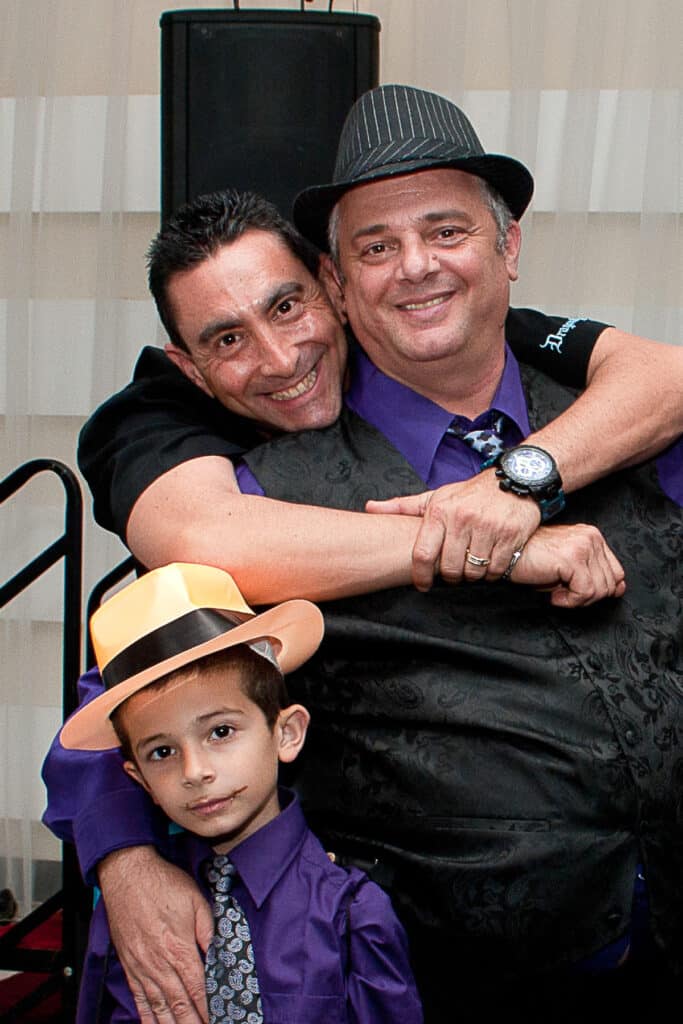
How to Look Your Best in Wedding Photos: Tips from a Professional Photographer
The worst lighting on Hollywood Beach happens between 11am and 2pm. The sun sits directly overhead, casting dark shadows under your eyes and nose, making everyone squint, and turning skin tones either washed-out or orange depending on your camera’s white balance. I’ve shot enough beach weddings to know that couples who insist on midday ceremonies because “that’s when everyone can make it” end up with portraits that require twice the retouching work — and even then, you can’t fix someone who looks miserable because they’re sweating through their dress in 92-degree heat.
Call Joey G and find out right away whether your date is open. Open 24 hours Sunday–Friday, closed Saturday.
Your wedding photos depend less on how photogenic you are and more on the decisions you make weeks before the ceremony. The venue you pick, the time you schedule portraits, what you wear in South Florida humidity, how much buffer time you build into your timeline — these factors determine whether you look relaxed and radiant or stressed and shiny. After 35 years behind the lens, I can tell you that the couples who look best in their wedding albums are the ones who planned for South Florida’s specific challenges instead of copying advice from Pinterest boards written for weddings in California or the Northeast.
What time should we schedule our wedding portraits
Golden hour gets talked about constantly in photography circles, but most couples don’t understand what that actually means for a South Florida wedding. On the east coast, sunrise happens over the ocean — which means if you’re getting married at a beachfront venue like Hollywood Beach or Fort Lauderdale Beach, early morning gives you soft, directional light with the water as your backdrop. The sun rises around 6:30am in winter and 7am in summer, so you’d need to be dressed and ready for portraits by 7am.
That’s a big ask for most couples, which is why sunset portraits are more popular. But here’s what nobody tells you about sunset at South Florida beach venues: the sun sets over the land, not the water. You get beautiful warm light on your faces, but your ocean backdrop is in shadow. It still works — you just need a photographer who knows how to balance the exposure so you don’t end up as silhouettes. At The Club at Weston Hills in Weston, the golf course faces west, so sunset portraits there give you that warm glow on the fairways and water features without the ocean-backdrop issue.
The absolute worst time for portraits is midday. If your ceremony starts at noon or 1pm, plan to do all your couple portraits either before the ceremony (if you’re okay with a first look) or wait until after 5pm. I’ve photographed weddings at Jacaranda Country Club in Plantation where couples insisted on taking portraits right after a 2pm ceremony, and the harsh overhead light made everyone look exhausted even when they weren’t. Golf course settings can be even trickier because there’s often minimal shade — just open fairways under full sun.
Build at least 45 minutes into your timeline for couple portraits, and schedule them when the light works. If you’re getting married between November and April, you have more flexibility because temperatures are milder. May through October, you’re dealing with afternoon thunderstorms and brutal heat, so morning portraits become even more appealing.
Does the venue background really matter that much
Yes. It has nothing to do with how “pretty” the venue looks in person. What matters is texture, depth, and how the background separates from your bodies in the frame. A plain white wall photographs flat and boring. A garden with layers — foreground plants, a pathway, trees in the distance — creates depth that makes you stand out as the subject.
Saint Patrick Palace in Davie works well for formal portraits because it has architectural elements: columns, staircases, arches. These give structure to the composition and create natural spots for posing. When you lean against a column or stand at the top of a staircase, the lines lead the viewer’s eye to you. Compare that to standing in front of a hedge or a blank ballroom wall, where there’s nothing to anchor the image.
Villa Toscana Miami has hosted over 600 weddings, and photographers love it because you get multiple looks on one property — Mediterranean courtyards, fountains, garden pathways, stucco walls with climbing vines. You can shoot 30 different portraits and they all look distinct. That variety keeps your album from feeling repetitive.
If you’re booking a golf course venue like Weston Hills or Jacaranda, scout the property ahead of time and identify at least three different spots for portraits. Most courses have a signature hole with water or a bridge, manicured gardens near the clubhouse, and tree-lined cart paths. Don’t just default to standing on the 18th green — use the whole property.
Here’s something most couples miss: background clutter kills portraits. Trash cans, parked cars, electrical boxes, EXIT signs — these show up in your photos and can’t always be cloned out in post-processing without making the image look fake. When you tour your venue, look at the backgrounds, not just the ceremony space. If the prettiest garden view has a parking lot 20 feet behind it, that’s a problem.
What should we wear to photograph well in South Florida heat
Fabric choice matters more than style. A heavy satin ball gown might look stunning on the hanger, but if you’re sweating through it by the time portraits start, you’ll look uncomfortable in every shot. Chiffon, crepe, and lightweight silk blends breathe better and move beautifully in photos. For grooms, linen suits or a vest without the jacket work for outdoor ceremonies between May and October. I’ve photographed summer weddings where the groom wore a full wool tuxedo for the ceremony and looked miserable in every candid.
Colors photograph differently than they appear to your eye. Soft neutrals — ivory, blush, sand, light blue — work beautifully against South Florida’s greenery and ocean backgrounds. Pure white can blow out in bright sun if your photographer isn’t careful with exposure. Neon colors and busy patterns can create weird visual artifacts in digital photos (something called moiré), so solid colors or subtle textures are safer bets.
Fit matters more than you think. A dress that’s too tight restricts movement, and you’ll look stiff in walking shots or candids. A suit jacket that pulls across the shoulders creates unflattering lines. Get alterations done early and do a full test run — sit down, raise your arms, walk around. If something feels restrictive, it will show in your body language during photos.
Shoes are a practical issue in South Florida. If you’re doing beach portraits, heels sink into sand and you’ll spend the whole session wobbling. Bring flats or go barefoot for beach shots, then change into heels for reception photos. I’ve seen brides try to walk on the Hollywood Broadwalk in stilettos and the whole timeline gets delayed because their feet are killing them halfway through.
Hair and makeup need to be humidity-proof. South Florida humidity sits between 70% and 90% most of the year, which means anything not locked down with setting spray will fall flat or frizz within an hour. Work with a stylist who has experience with South Florida weddings — they know which products hold up and which don’t. Matte makeup finishes photograph better than dewy looks, which can read as shiny under flash. Updos or half-up styles prevent the frizz halo that happens when hair is left completely down.
How do we look natural and not awkward in photos
The couples who look most natural in their wedding photos are the ones who did an engagement session first. An engagement session is a practice run — you get comfortable being photographed together, you learn what angles work for you, and your photographer learns how you move and interact. By the wedding day, posing doesn’t feel foreign anymore.
Tell your photographer what you’re self-conscious about. If you hate your profile, say so. If you blink a lot, mention it. If one of you is significantly taller and you’re worried about the height difference, bring it up. A good photographer will adjust angles and posing to minimize whatever you’re worried about, but only if they know about it ahead of time.
Timeline pressure shows up in photos. If you’re running 30 minutes behind schedule and trying to rush through family portraits, everyone looks tense. Build buffer time into your timeline — at least 15 minutes of padding between hair/makeup finishing and when you need to be ready for photos. Rushing creates stress, and stress shows in your face and shoulders.
Keep your family portrait list short. I’ve shot weddings where the couple handed me a list of 40 different family combinations, and by the time we finished, everyone looked exhausted and annoyed. Prioritize the must-haves: immediate family, grandparents, siblings. Extended combinations can happen if time allows, but don’t let them eat into your couple portrait time.
Hydration matters more than you’d think. Dehydration shows up as dull skin, dark circles, and fatigue in photos. In South Florida heat, you’re sweating constantly even if you don’t realize it. Drink water throughout the day, starting the morning of your wedding. Red, blotchy skin from heat exhaustion or dehydration requires heavy retouching and still doesn’t look as good as healthy, hydrated skin.
When should we book and what about weather backups
Book your photographer as soon as you have your venue and date locked in. Prime Saturdays between November and April in South Florida get claimed fast — sometimes more than a year in advance. If you wait until six months out, your first-choice photographer might already be booked, and you’ll end up settling for someone whose style doesn’t match what you want.
For engagement sessions or pre-wedding portraits, book at least four weeks ahead. This gives you flexibility to reschedule if weather looks bad, and it ensures you’re not competing with other couples for your photographer’s time during peak season.
South Florida’s rainy season runs May through October, with the worst storms typically hitting between June and September. Afternoon thunderstorms are almost guaranteed during summer months. If you’re planning a summer wedding, assume rain and build a backup plan. That might mean an indoor space at your venue, a tent, or rescheduling portraits to the morning when storms are less likely.
Here’s something most couples don’t consider: November through April is dry season, which means better weather but also means higher venue prices, more competition for photographers, and crowded public locations. If you’re planning beach portraits at a public spot like Hollywood Beach or Fort Lauderdale Beach, winter weekends bring cruise passengers, snowbirds, and tourists. A sunrise session on a Wednesday in February will give you empty beaches and beautiful light. A 4pm session on a Saturday in March means shooting around crowds.
Hurricane season runs June 1 through November 30, with peak risk in September and October. If you’re booking a fall wedding, talk to your photographer about their rescheduling policy. Most professionals will work with you to move the date if a hurricane forces evacuation, but get that policy in writing before you sign a contract.
All-inclusive venues like Historic Walton House in Homestead bundle catering, décor, and venue access, which simplifies planning but can limit your photo time on the property. Ask how many hours you have access to the grounds and whether there are any restricted areas for photography. Some venues have beautiful gardens but limit where you can shoot if another event is happening simultaneously.
South Florida has a strong mix of cultural traditions — Jewish weddings with the chuppah and hora, Latin weddings with large extended families and lively receptions, Caribbean influences. If your wedding includes specific cultural elements, make sure your photographer has experience shooting them. A photographer who’s only done traditional American weddings might miss the key moments during a hora lift or not know when to photograph the ketubah signing.
If you want to discuss your timeline, location, or any concerns about how you’ll look in your wedding photos, you can reach Joey G Photography at 954-986-4455. After three decades shooting weddings across Broward and Miami-Dade, I can walk you through exactly what works at your venue and what to watch out for.